Answers
Straight answers to real AI questions.
The questions come from what people actually type into search boxes. The answers stay short, and every claim gets checked before it ships. No glossary padding.
Building solo
What does being AI native actually mean?
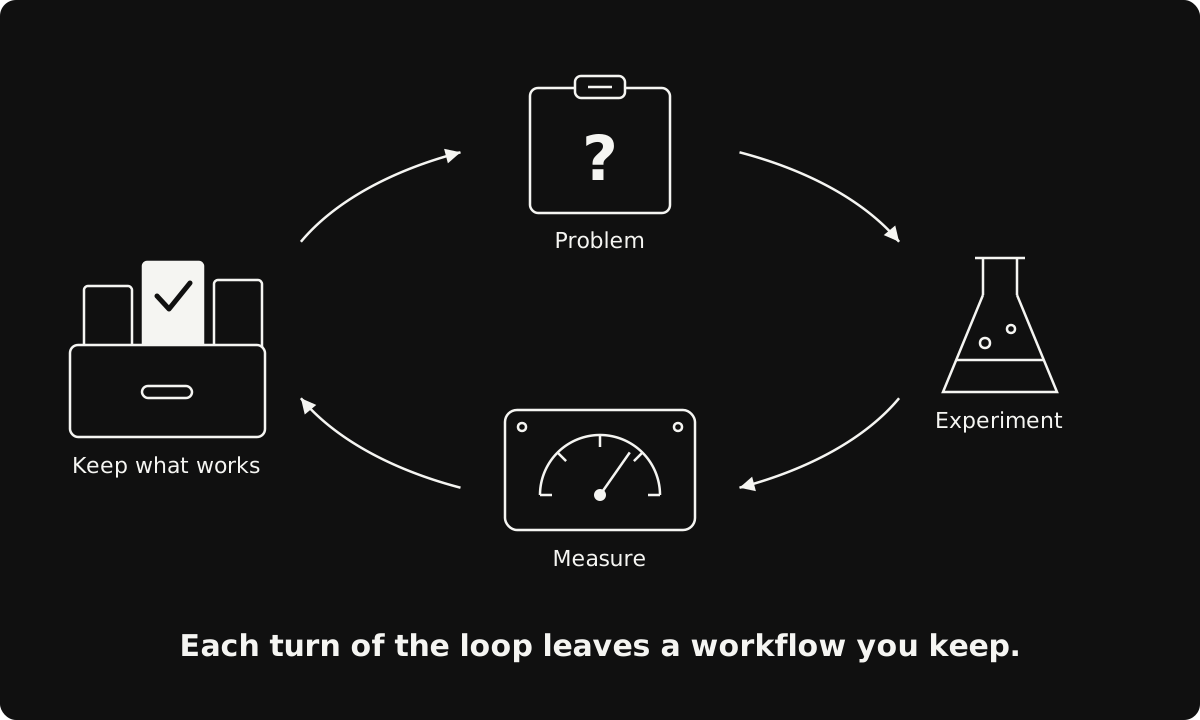
After going to hundreds of AI themed events I've learned that while everyone is talking about being AI native, that also means they have their own definitions for it. So don't come after me when you disagree with my definition - it's healthy for us to have discourse about it don'tcha think? For me being AI native is all about how do you ACTUALLY embrace AI enough so that you benefit from the best parts of it while still being creative, still being full authentic, and giving real human value to the world, faster and better than ever.
Vertical AI agents, explained without the pitch deck
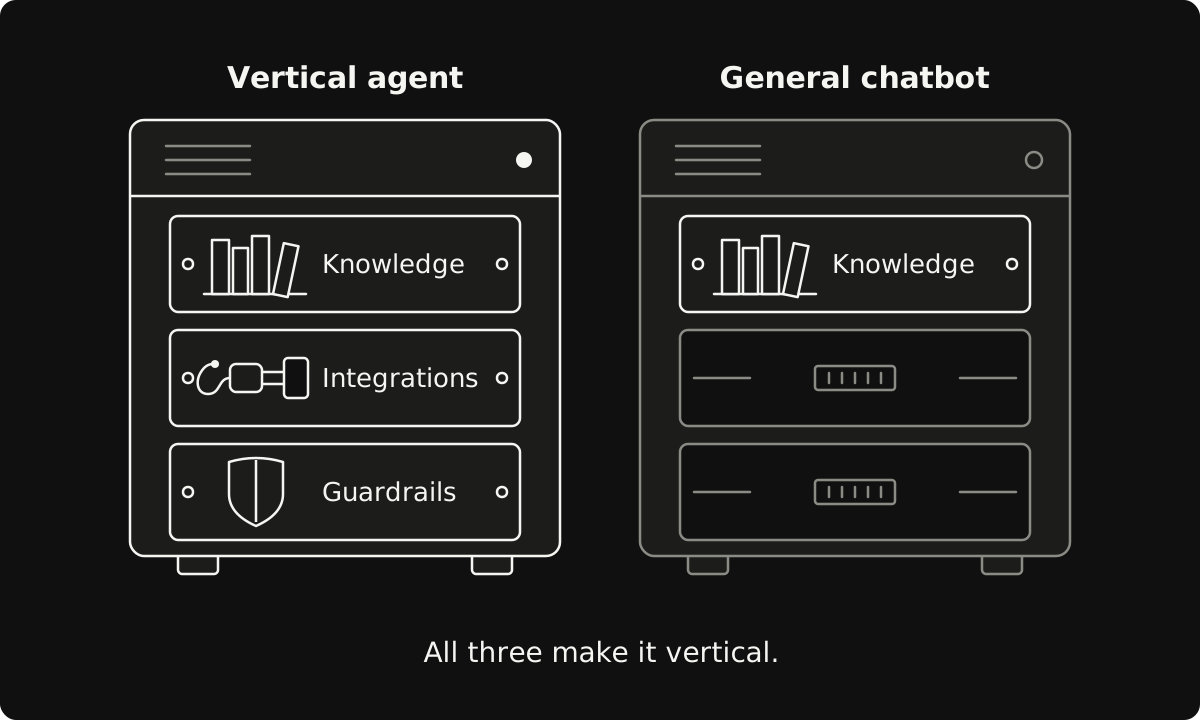
Vertical AI agents are AI agents built for one industry or one workflow, with that domain's vocabulary, rules, data sources, and tools baked in, instead of a general assistant that knows a little about everything. A general agent can draft an email for anyone.
What is a solopreneur?
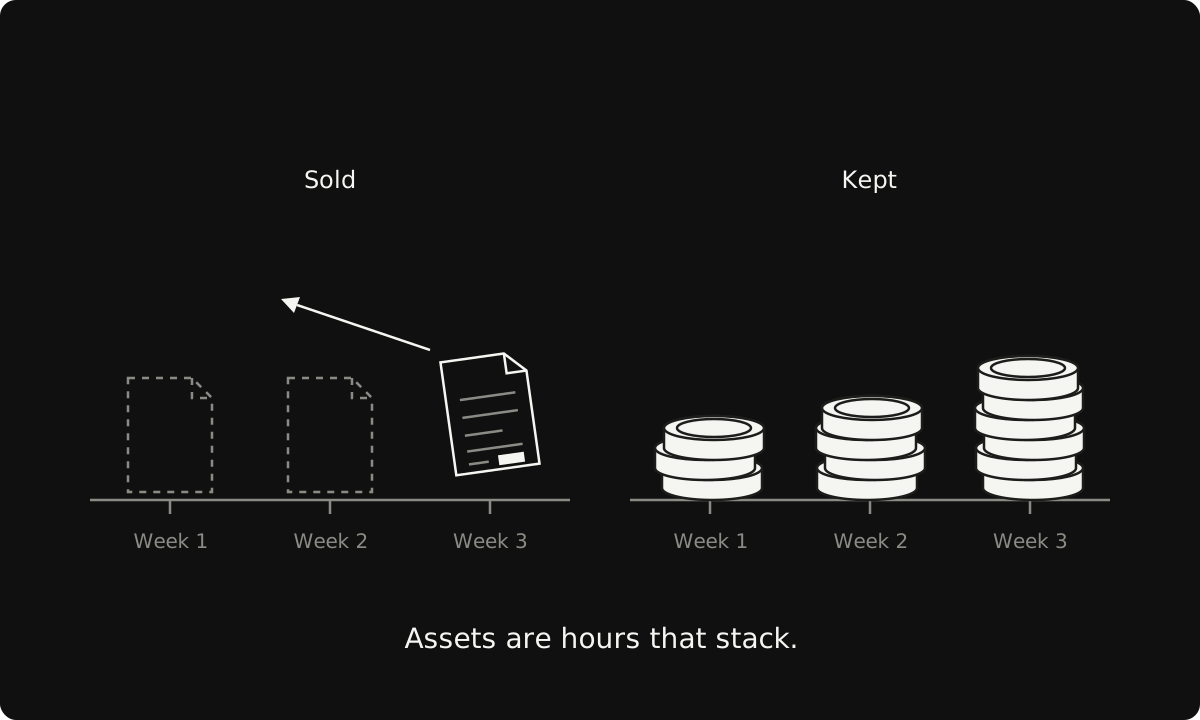
A solopreneur is a person who builds and runs a business alone, on purpose. No employees, no cofounder, full ownership of the product, the audience, and the decisions.
Choosing your AI tools
ChatGPT projects: what they are and when to use one
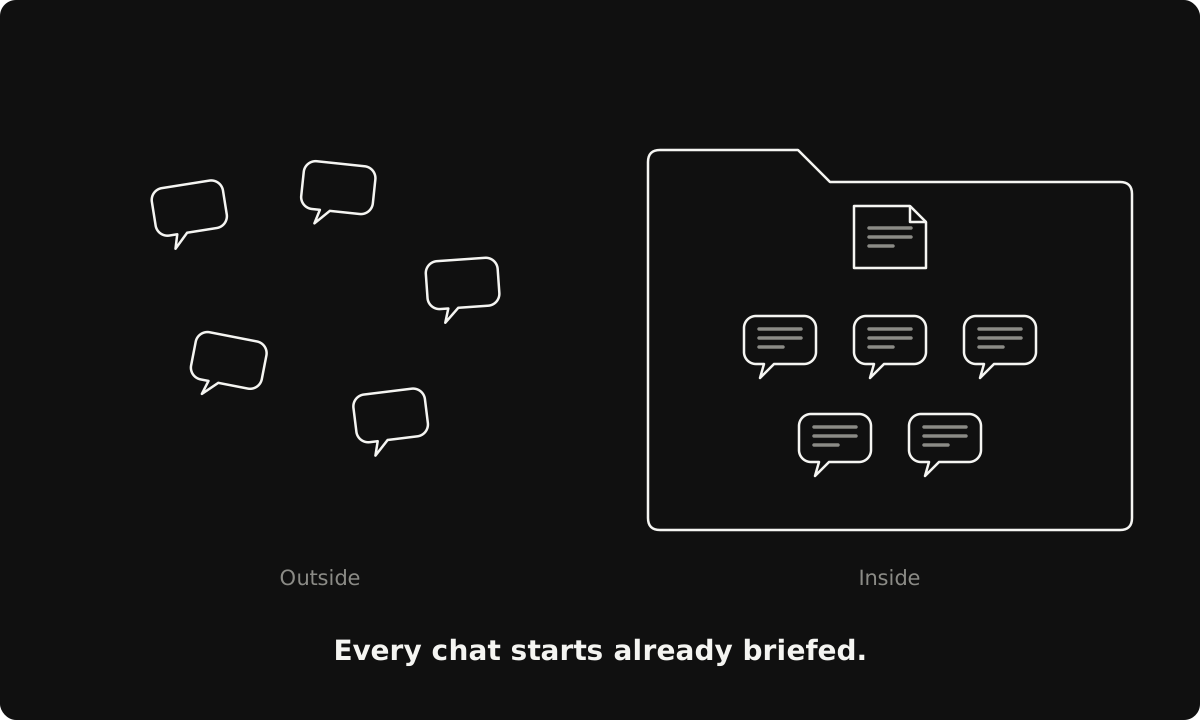
ChatGPT projects are folders with a memory, and that's honestly the whole pitch. A project groups related conversations in one place, along with the files you upload to it and instructions that only apply inside it.
Claude Cowork vs Claude Code: which fits your work?
Claude Cowork vs Claude Code comes down to one question: what are you handing over? Cowork is Anthropic's agentic workspace for everyday knowledge work. You hand off a task and Claude completes it across your files and tools, the reports, spreadsheet reconciliation, contract review, note synthesis kind of work.
Claude Code
Claude Code Router: what it is and who it's for
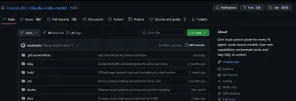
Claude Code Router is a community-built open source project, from the GitHub user musistudio, that puts a local gateway between coding agents and model providers. Point Claude Code at it and your requests can route to OpenAI, Gemini, DeepSeek, OpenRouter, Kimi, Mistral, and others instead of, or alongside, Anthropic's models.
Is Claude Code free? What it costs to start
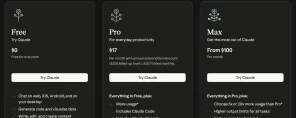
Is Claude Code free? No, and I'd rather just tell you that straight. There's no free tier, and Anthropic's own setup docs say it plainly: the free Claude.ai plan does not include Claude Code.
Update Claude Code: the one command, per install
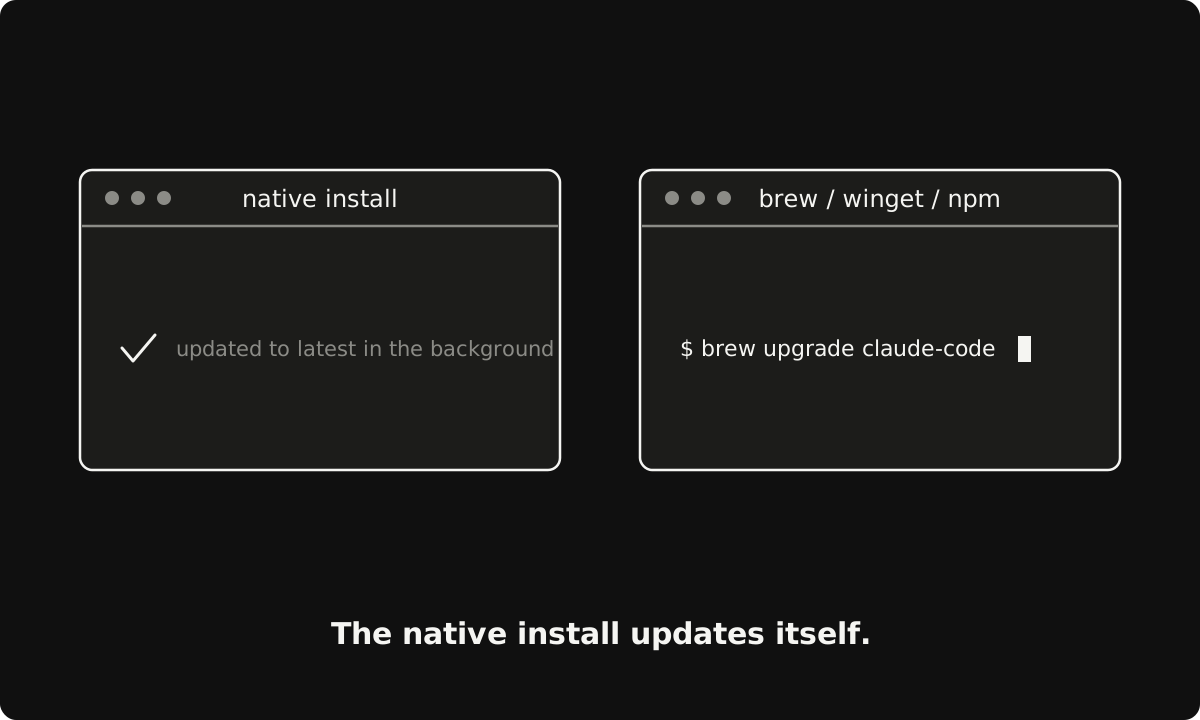
To update Claude Code manually, run claude update in your terminal. It'll tell you either the version it just installed or that you're already current.
What is a CLAUDE.md file and what goes in it?
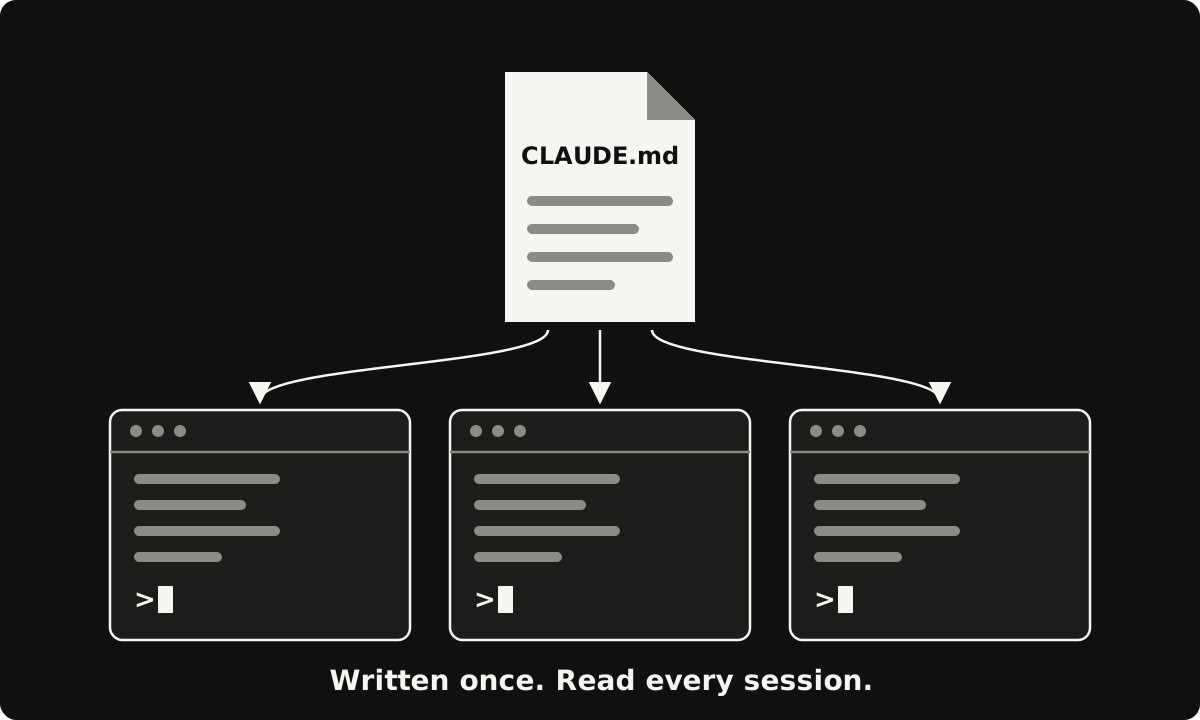
A CLAUDE.md file is a plain markdown file sitting in the root of your project that Claude Code reads at the start of every single session. Why does it exist? Because every session starts with an empty head.
Connecting AI to your tools
MCP vs API: what's the actual difference?
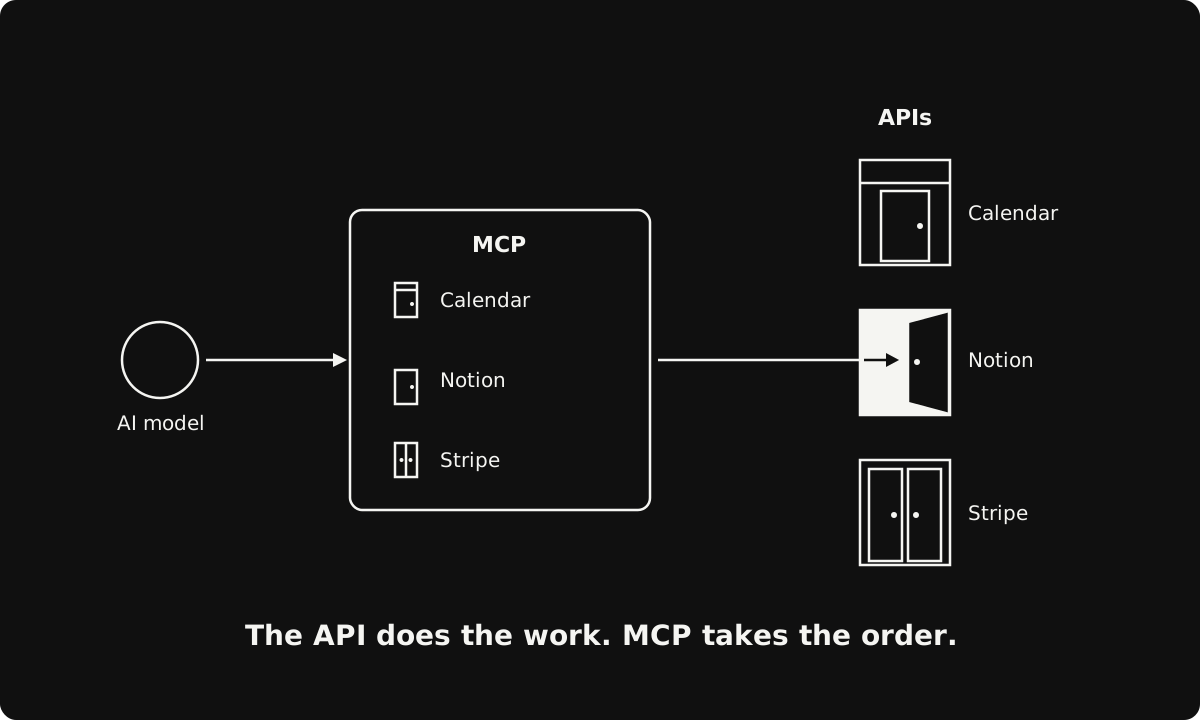
MCP vs API is honestly the wrong fight, and I'll tell you why: the two sit on different layers of the same stack. An API is a door a company builds into its software so other programs can ask it for things.
RAG vs MCP: which one do you actually need?
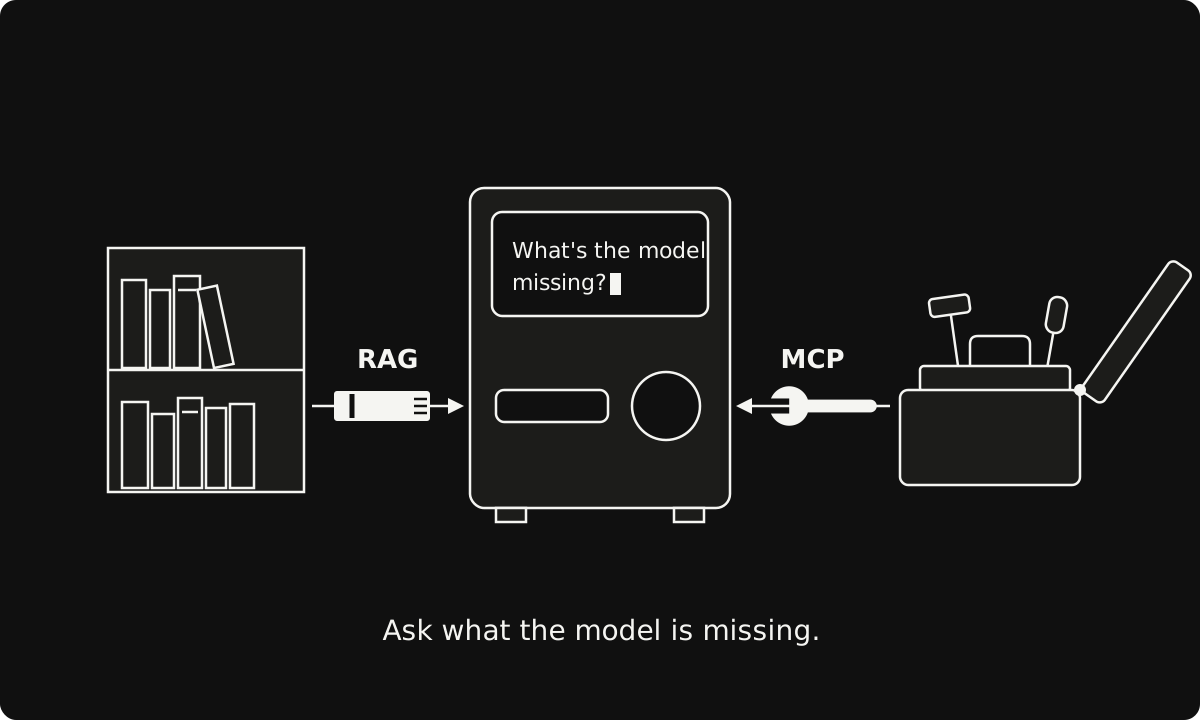
RAG vs MCP is comparing a technique to a standard, which is why the debate never resolves and probably never will. RAG, retrieval augmented generation, is a technique: before the model answers you, your app searches your documents for relevant passages and stuffs them into the prompt, so the answer draws on your material instead of just the model's training.