Answers · Building solo
What is a solopreneur?
The short answer
A solopreneur is a person who builds and runs a business alone, on purpose. No employees, no cofounder, full ownership of the product, the audience, and the decisions.
The word gets thrown around loosely, so here's the boundary that actually holds: a freelancer sells their hours to clients who own the outcome, while a solopreneur builds assets they own themselves. A product, a course, a newsletter, a community, a service with their name on the door. Plenty of people run both at once, and the freelance income often funds the solopreneur build.
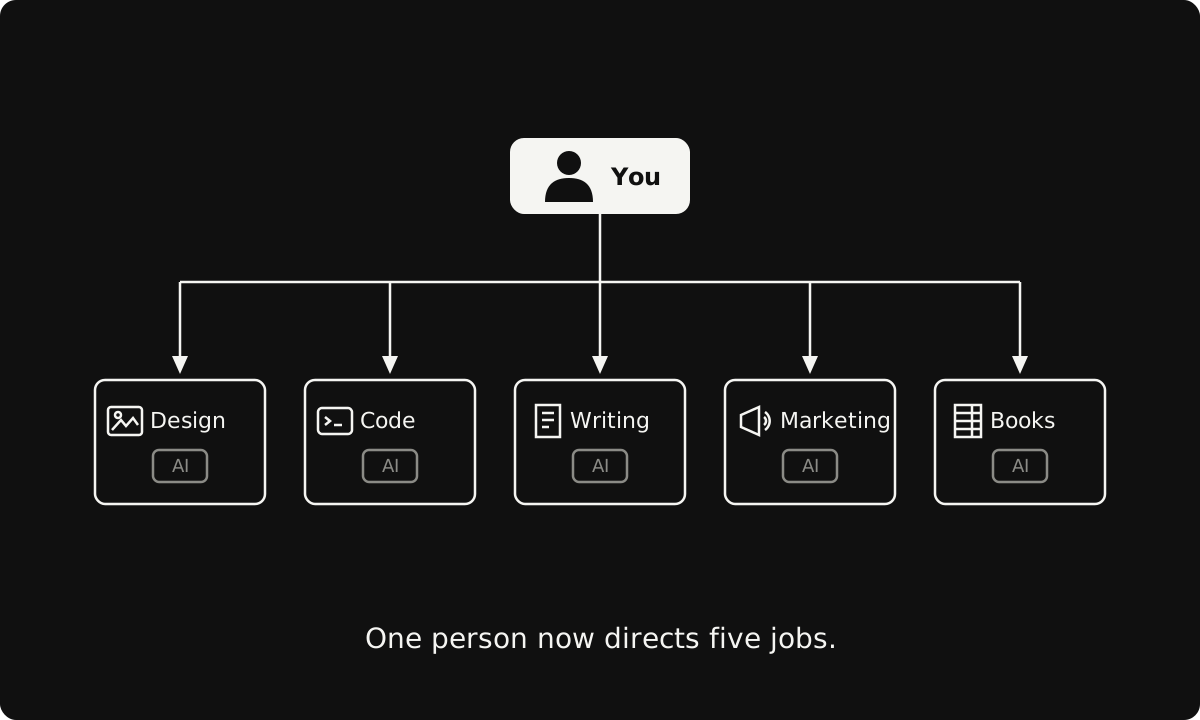
What changed recently is the ceiling: work that used to force a first hire, design, code, admin, research, is now work one person can direct AI to do.
I’ve watched this word get stretched to cover everyone with a laptop and a Stripe account. So let’s pin it down, because the distinction actually changes what you do on Monday morning.
Solopreneur or freelancer, and does it even matter?
It matters for exactly one decision: what you spend your best hours building.
A freelancer’s week compounds into reputation and referrals. That’s real value, but it’s tied to their continued personal effort. A solopreneur’s week compounds into things that keep working while they sleep.
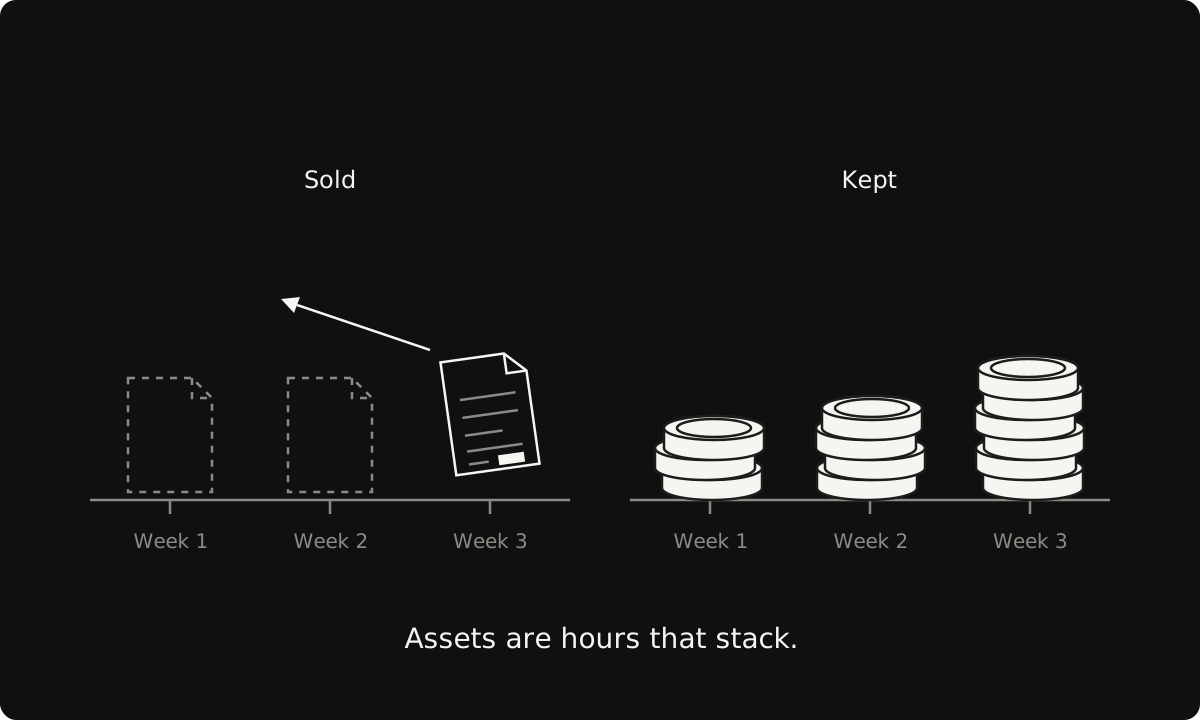
Neither is the wrong choice. The trap is believing you’re building the second while your calendar says you’re living the first. Check your calendar.
Staying solo used to mean staying small
The traditional cost of going alone was capability. One person can’t design, build, write, market, and do the books, so solopreneurs either learned five jobs badly or capped their ambition at what one skill set could carry.
That’s the constraint AI actually moved. Not the hype version, the real one.
The one-person business now gets a first draft of nearly everything on demand, which shifts the scarce skill from doing every job to directing the work and judging the output. And the judgment part stays stubbornly human. It’s the difference between a solopreneur running an AI-powered system and a person shipping confident nonsense at speed.
Is it for you?
The honest test has nothing to do with courage or hustle culture. Two questions:
- Do you want ownership badly enough to trade one boss for a hundred small decisions a week?
- Is there an asset you could build alone, with AI holding the jobs you can’t, that’s been sitting on your idea list waiting for you to believe it’s buildable?
For most people reading this, the second condition was met a while ago. The first one is yours to answer.
Subscribe to being AI native
Join the hundreds of ambitious minds who kickstart their day with the AI world's weirdest, wildest stories and insights.
No recycled headlines. No BS. Just a fun, quick read.